Hannah’s Desperation and Prayer
1 Samuel 1:1-10
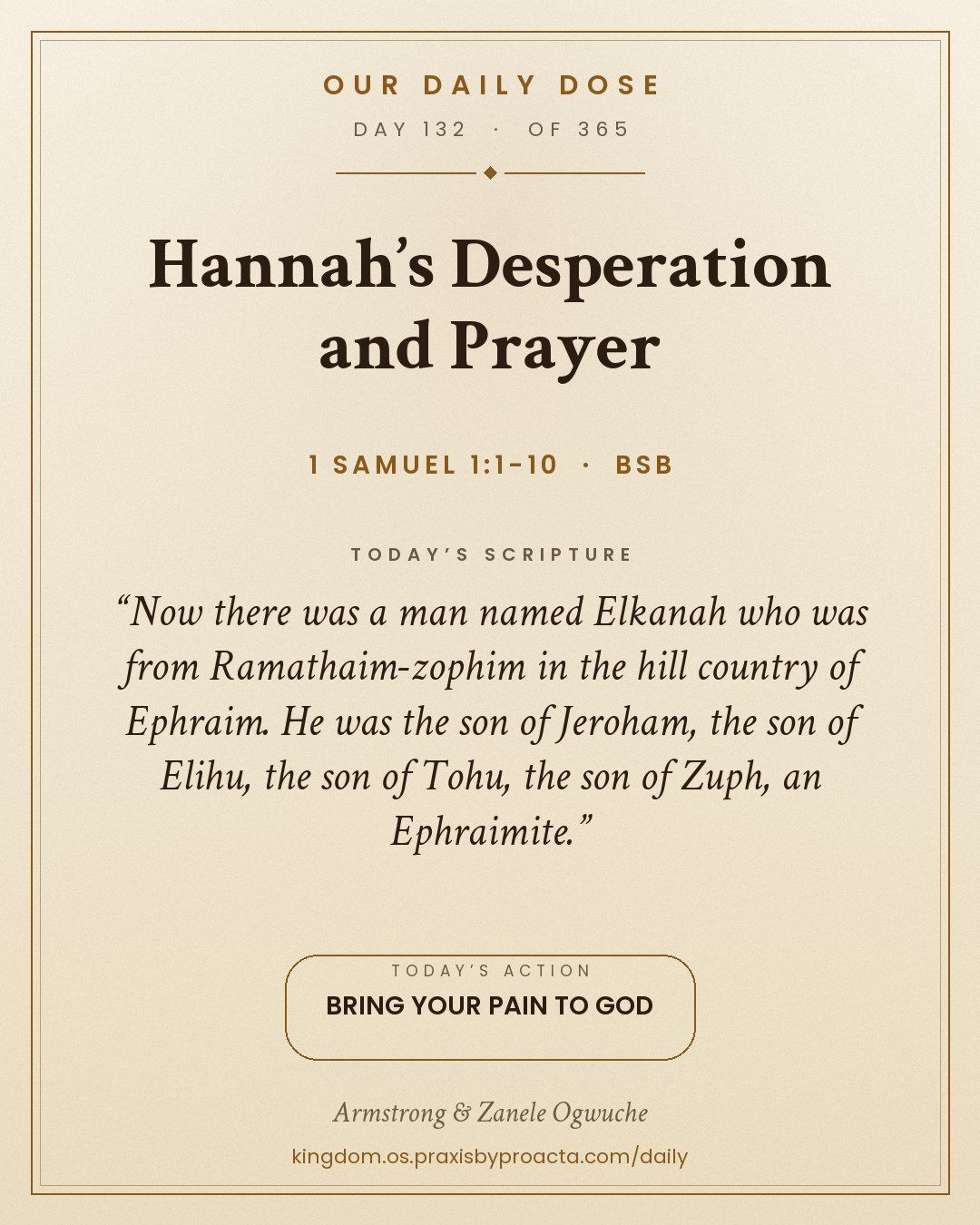
Scripture · 1 Samuel 1:1-10
Berean Standard Bible (BSB), public domain.
Hannah’s story begins with her deep anguish over her inability to conceive a child. She is one of two wives of Elkanah, and while his other wife, Peninnah, has children, Hannah remains barren. To make matters worse, Peninnah taunts Hannah, exacerbating her pain. Despite her husband’s love and attempts to comfort her, Hannah’s heart is heavy with sorrow. In her desperation, Hannah turns to God in prayer: “In her deep anguish, Hannah prayed to the Lord, weeping bitterly” (1 Samuel 1:10). This prayer is born out of intense emotional pain and a profound sense of helplessness, reflecting the depth of Hannah’s longing and the burden she carries.
Exegetical Viewpoints
- Cultural Context: In the ancient Near Eastern culture, barrenness was often seen as a curse or a sign of divine disfavor. A woman’s ability to bear children was closely tied to her identity and status. Hannah’s barrenness not only brought her personal grief but also social stigma, making her situation even more painful.
- The Power of Persistent Prayer: Hannah’s response to her pain is to bring it before God in persistent,
heartfelt prayer. Her willingness to lay her anguish before God shows a deep trust in His ability to hear and respond to her needs. This moment of prayer is a turning point in her story, demonstrating that even in the midst of despair, one can find hope by seeking God earnestly.
Practical Applications
- Bring Your Pain to God: Like Hannah, bring your deepest pains and desires before God in prayer. Don’t hold back your emotions or try to manage your struggles on your own. God is attentive to the cries of His people and desires to hear from you, even in your moments of greatest distress.
- Persist in Prayer: When facing prolonged challenges or unanswered prayers, continue to bring your requests to God with persistence and faith. Trust that God hears your prayers and that His timing and plans are perfect, even when they are not immediately evident.
Read the full book in the KOS Library →
A daily devotional from KingdomOS. Share freely; every card links back here.